
How to Calm Rosacea Flare Ups Fast
- Arilyn Wookey
- Apr 18
- 6 min read

A rosacea flare rarely arrives quietly. One day your skin feels manageable, and the next it is hot, flushed, tight and far more reactive than usual. If you are searching for how to calm rosacea flare ups, the goal is not to throw every soothing product at your face. It is to reduce heat, irritation and inflammation without overwhelming an already sensitised skin barrier.
Rosacea can be frustrating because triggers are not always obvious, and what helps one person may irritate another. Still, there are clear steps that tend to work well for most people when redness suddenly spikes.
How to calm rosacea flare ups at home
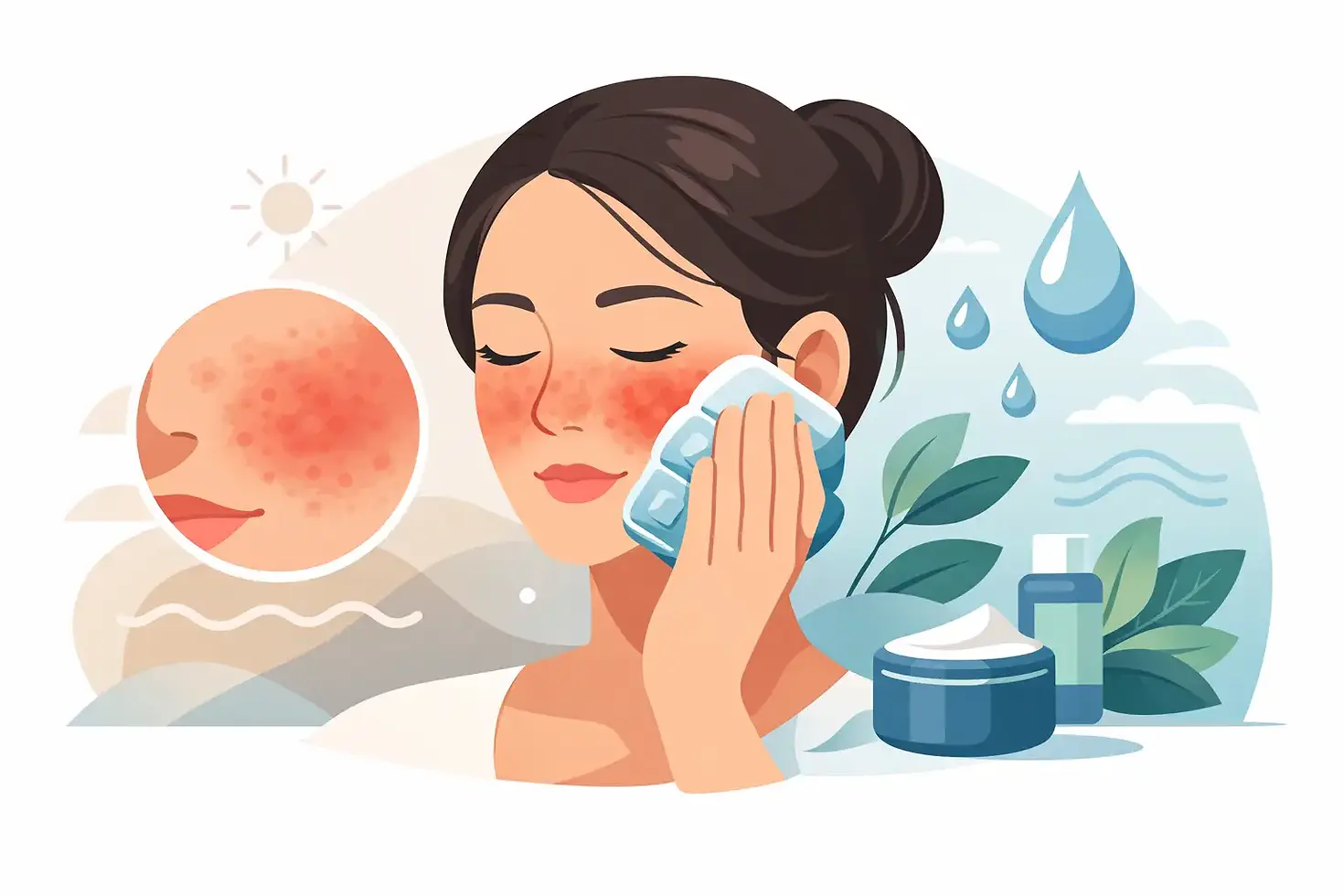
The first priority is to cool things down gently. That means stepping away from strong actives, exfoliants, scrubs and anything that creates heat in the skin. If your face feels warm, use cool - not icy - compresses for a few minutes at a time. Ice can feel tempting, but extreme cold may aggravate sensitive capillaries and make the skin more reactive.
Keep your routine very simple for several days. A gentle cleanser, a fragrance-free moisturiser and a mineral sunscreen are usually enough while the flare settles. If your usual cleanser leaves your skin tight, rinse with lukewarm water in the morning and cleanse only at night. The aim is comfort, not a squeaky-clean finish.
Moisturiser matters more than many people realise. During a flare, the skin barrier is often compromised, which means irritants get in more easily and water escapes more quickly. A calming cream with barrier-supportive ingredients can reduce stinging and help the skin recover. Richer is not always better, though. Heavy occlusive products may feel smothering on some rosacea-prone skins, particularly if heat is part of the flare.
Sun protection is non-negotiable. UV exposure is one of the most common rosacea triggers, and even brief incidental sun can keep redness lingering. Mineral sunscreens are often better tolerated than chemical formulas, especially during an active flare, because they are less likely to sting.
What usually makes a flare worse
Rosacea is highly individual, but patterns do tend to repeat. Heat is a major trigger, including hot showers, saunas, vigorous exercise, spicy food, alcohol and very hot drinks. Emotional stress can also play a role, as can wind, sun exposure and abrupt weather changes.
Skincare is another common culprit. Retinoids, acids, physical exfoliants, fragranced products and strong cleansers can all tip reactive skin into a flare, especially when introduced too quickly or layered together. Even products marketed as natural can cause trouble if they contain essential oils or active botanicals.
This is where a lot of people get stuck. They want results, so they keep using treatment products through the irritation, hoping the skin will adjust. With rosacea, pushing through rarely ends well. If your skin is burning, excessively flushed or suddenly rough and sensitive, it is usually a sign to pull back, not press on.
The less-is-more phase
When your skin is in a flare, think in terms of recovery rather than correction. This is not the moment for resurfacing, brightening or anti-ageing products. For a few days, sometimes longer, less really is more. Once the skin is calm again, active ingredients can be reintroduced carefully and selectively if they are appropriate for your skin.
Choosing skincare when rosacea is active
The best products during a flare are the ones that do not ask too much of your skin. Look for formulas designed for sensitive skin, with minimal fragrance and a short ingredient list where possible. Texture also matters. Gel products can feel cooling, but some contain alcohol or acids that sting. Thick balms can be comforting, but they may trap heat for some people. It depends on how your skin behaves.
Patch testing is worth the effort. Apply a small amount near the jawline or side of the face for several days before using a new product more broadly. This will not prevent every reaction, but it can reduce the chance of a full-face flare.
If you wear make-up, choose gentle formulas and keep removal simple. Rubbing with wipes or repeatedly cleansing to remove long-wear products can make redness worse. A soft cream cleanser and clean hands are often kinder than cotton pads and scrubbing motions.
When redness is linked to your routine
Sometimes the flare is not random at all. It follows a facial, a new serum, overuse of exfoliating acids or a retinol that is too strong for your skin. In those cases, the solution is partly about identifying the tipping point.
If you suspect a product is responsible, stop using it immediately and simplify your routine. Once the skin has settled, you can decide whether that product needs to be removed completely or whether it was simply introduced too aggressively. Frequency, concentration and product combinations all matter. A formula that causes a flare when used nightly may be tolerated once or twice a week, or not at all.
This is one reason personalised advice is so valuable with rosacea. Good skin plans are not built on trends. They are built on what your skin can comfortably handle over time.
Professional support for persistent flare ups
Home care can help settle a mild flare, but frequent or intense flare ups usually need a more considered plan. Rosacea is not just surface redness. Depending on the type, it can involve persistent flushing, visible capillaries, inflammatory bumps, dryness, swelling and ongoing sensitivity. If the condition is not properly managed, the skin can remain in a cycle of irritation.
Professional guidance helps separate temporary reactivity from a true rosacea pattern and can identify overlapping issues such as dehydration, barrier damage or acne-like breakouts. Treatment may involve clinic-based options, a more targeted home routine or referral to a GP or dermatologist when prescription support is needed.
For many people, the most effective approach is a steady one. Not an aggressive reset, but a calm treatment plan that reduces inflammation, strengthens the barrier and limits the triggers that keep skin in defence mode. At Salt Washed, this is often where clients feel real relief - when they stop guessing and start following a plan tailored to their skin.
If your rosacea includes bumps or stinging
Not every flare looks the same. Some people mainly experience flushing and heat, while others develop small inflamed bumps that can be mistaken for acne. Some feel intense stinging even when the skin looks only mildly pink. These differences matter because they affect treatment choices.
If your symptoms are changing, becoming more frequent or affecting the eyes, it is worth seeking professional assessment sooner rather than later. Ocular rosacea, for example, needs medical attention and should not be managed with skincare alone.
Everyday habits that help prevent the next flare
Prevention is usually gentler and more effective than trying to calm a major flare once it has started. Keeping a simple trigger diary can help you notice patterns, especially around food, weather, exercise and skincare. You do not need to record every detail forever, just long enough to spot what repeatedly sets your skin off.
Temperature management makes a difference. Lukewarm water, shade, a hat outdoors and avoiding overheated rooms can all help. If exercise triggers flushing, shorter sessions or lower-intensity training may be more comfortable than pushing through high heat and a red face every time.
Consistency is another quiet but important factor. Rosacea-prone skin usually responds best to a routine that stays steady. Constantly changing products, chasing quick fixes or layering too many actives often leads back to irritation.
How to calm rosacea flare ups without making skin more reactive
The most useful mindset is a calm one. Treat the flare like an inflamed, overstimulated skin event, not a problem to scrub away. Gentle cleansing, barrier support, sun protection and trigger control will usually do more than a shelf full of corrective products.
There is also an emotional side to rosacea that deserves acknowledgement. Redness can affect confidence, social plans and the way you feel walking into work or out to dinner. That is why treatment should never be only about appearance. It should also help your skin feel comfortable and your routine feel manageable.
If your skin is flaring often, trust that there is value in slowing down and getting support. The right plan should feel reassuring, not punishing. Calm skin often begins with calmer choices.


Comments